
Blog
Do You Need a Groundsheet?
31 July 2025
When you're packing for a camping trip—especially your first few—you might wonder:
Do I really need a groundsheet?
Or is it just another item to carry, fold, and dry out when you get home?
The answer? It depends.
Groundsheets can make a big difference to your comfort and cleanliness. But in some situations, they’re not essential—or even suitable.
Whether you're camping in a tent, a trailer tent, or using a camper awning, this guide breaks down the pros and cons of using a groundsheet. So you can decide what's best for your setup.
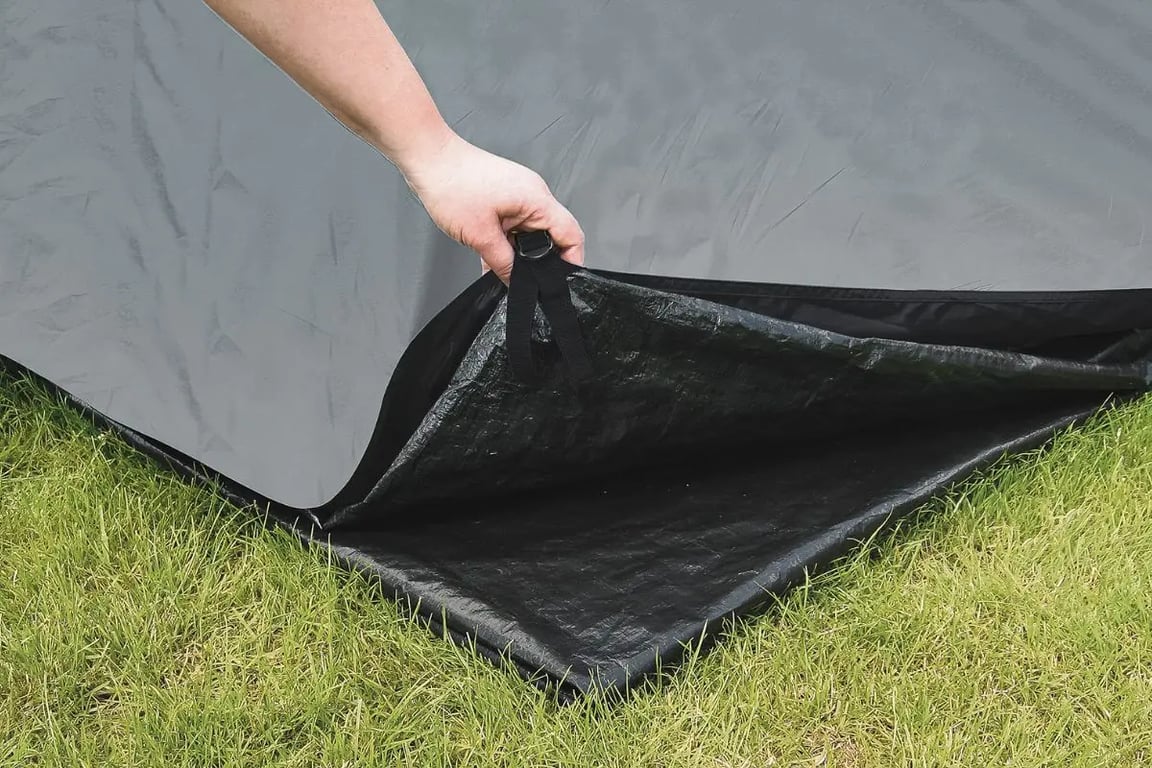 A groundsheet is a layer of waterproof material that sits between the ground and the base of your tent or awning.
It can be built-in (sewn into your tent), or separate—like a tarpaulin or footprint.
Some campers also use extra groundsheets inside for added insulation or outside to protect the awning or porch area.
They come in various materials:
A groundsheet is a layer of waterproof material that sits between the ground and the base of your tent or awning.
It can be built-in (sewn into your tent), or separate—like a tarpaulin or footprint.
Some campers also use extra groundsheets inside for added insulation or outside to protect the awning or porch area.
They come in various materials:
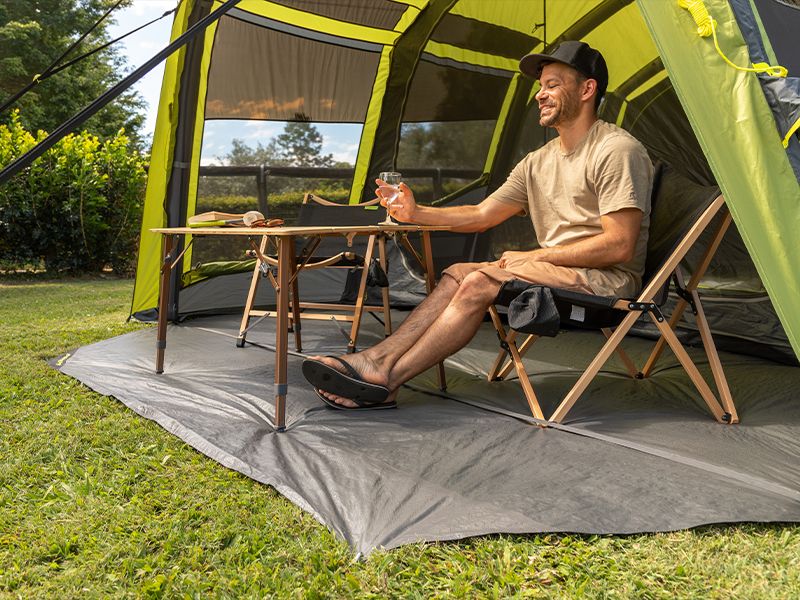 Tent campers have a few options:
✅ Built-in Groundsheet
Most modern family tents include one.
Pros: quick to pitch, full coverage.
Cons: can trap water if pitched on a slope or puddle.
✅ Separate Groundsheet or Footprint
Great for protecting the base of your tent.
Buy one that’s slightly smaller than your tent footprint to avoid water collecting at the edges.
✅ Additional Interior Groundsheet
Adds comfort and warmth—especially good if camping in cooler months or with toddlers.
Tent campers have a few options:
✅ Built-in Groundsheet
Most modern family tents include one.
Pros: quick to pitch, full coverage.
Cons: can trap water if pitched on a slope or puddle.
✅ Separate Groundsheet or Footprint
Great for protecting the base of your tent.
Buy one that’s slightly smaller than your tent footprint to avoid water collecting at the edges.
✅ Additional Interior Groundsheet
Adds comfort and warmth—especially good if camping in cooler months or with toddlers.
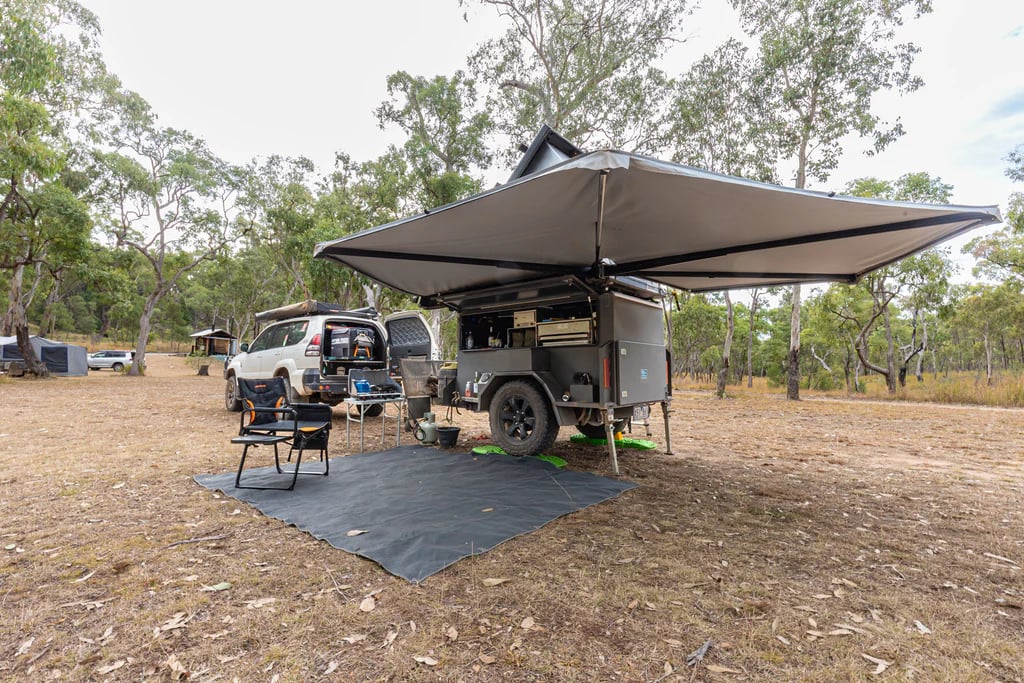 Trailer tents usually come with a modular floor system, especially in the awning or living area. Here’s what to consider:
✅ Heavy-Duty Groundsheet for Awning Area
Essential for comfort and to keep out draughts, insects, and moisture.
✅ Breathable Options for Campsite Rules
If you’re camping on grass, a breathable mesh groundsheet keeps you compliant with site rules.
✅ Carpet or Foam Layer on Top
Some campers add a camping carpet or foam mat for warmth and luxury inside the awning area.
Trailer tents usually come with a modular floor system, especially in the awning or living area. Here’s what to consider:
✅ Heavy-Duty Groundsheet for Awning Area
Essential for comfort and to keep out draughts, insects, and moisture.
✅ Breathable Options for Campsite Rules
If you’re camping on grass, a breathable mesh groundsheet keeps you compliant with site rules.
✅ Carpet or Foam Layer on Top
Some campers add a camping carpet or foam mat for warmth and luxury inside the awning area.
What Is a Groundsheet?
- Polyethylene (PE): durable and budget-friendly
- PVC-coated fabric: heavy-duty and easy to clean
- Breathable mesh: campsite-friendly and good for grass
- Foil-backed foam: great for insulation in cooler seasons
Pros of Using a Groundsheet
1. Keeps Your Tent Clean and Dry This is the big one. A groundsheet stops damp, mud, and debris from creeping in—especially in wet weather. You'll thank yourself when it's time to pack down. 2. Adds Comfort and Insulation A quality groundsheet adds a layer between you and the cold, hard ground. It helps with heat retention and softens rocky or uneven pitches. 3. Protects the Tent Floor If your tent doesn’t have a sewn-in groundsheet, adding one extends the life of the fabric and reduces wear and tear. 4. Creates a Defined Living Space In trailer tents or under awnings, a groundsheet makes the space feel like a room. Kids can crawl around, and you can walk barefoot without worry. 5. Easier to Keep Tidy Sweep it in seconds. Shake it out when you leave. Much easier than trying to clean mud out of grass or bare soil.Cons of Using a Groundsheet
1. Not Always Allowed on Grass Some campsites ban non-breathable groundsheets—especially in grass pitches or eco-sensitive areas. Heavy use can kill the grass beneath, especially on longer stays. 2. Adds Bulk and Weight If you're backpacking or trying to pack light, a full-size groundsheet might be too bulky or unnecessary. 3. Can Trap Moisture If used incorrectly (like with poor ventilation), a groundsheet can trap condensation or rising moisture, making things damp inside. 4. Needs Cleaning and Drying After a rainy trip, your groundsheet might come home soaked and muddy. You’ll need to clean and dry it properly before packing it away.Groundsheets for Tent Camping
Groundsheets for Trailer Tent Camping
Tips for Using Groundsheets
- Match the size to your tent or awning—too big, and water may pool; too small, and you’ll have gaps
- Peg it down properly so it doesn’t flap in the wind
- Air it out daily if camping for multiple nights
- Clean and dry it before packing away to avoid mould
- Use a breathable version on grass pitches to avoid damaging the ground
When You Might Skip the Groundsheet
- Backpacking or wild camping where weight is key
- One-night stays in dry weather
- Hardstanding pitches with gravel or paved surfaces
- Campsites that don’t allow non-breathable material