
Blog
How to Choose the Right Tent: Sizes, Seasons, and Setups Explained
10 July 2025
Shopping for a new tent? It’s easy to get overwhelmed by all the choices. Between the technical specs, endless sizes, and dozens of models out there, picking the right one can feel like a job in itself.
But it doesn’t have to be complicated. When you understand your own camping style, know what kind of weather you’ll face, and learn which features actually matter, choosing the right tent becomes a lot easier—and even a little bit fun.
Whether you're a total beginner or looking to upgrade, this guide will walk you through everything you need to know about tent sizes, seasonal ratings, and setup styles, so you can invest in a tent that works for you—not just one that looks good on the shelf.
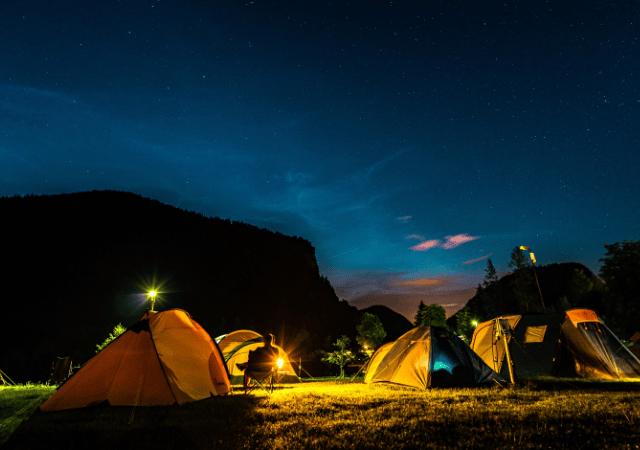 Tent sizes are usually labeled by the number of people they “sleep.” But be warned—these labels assume a snug fit, with little room for personal space or gear.
Here’s how those capacity numbers typically play out:
Tent sizes are usually labeled by the number of people they “sleep.” But be warned—these labels assume a snug fit, with little room for personal space or gear.
Here’s how those capacity numbers typically play out:
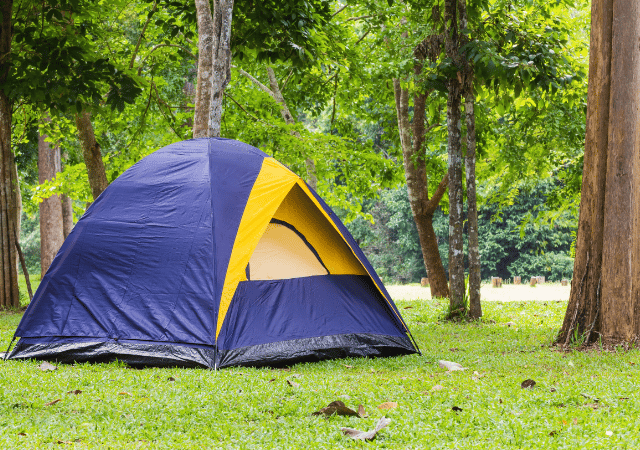 One of the most popular tent designs, dome tents use two flexible poles that cross at the top to create a simple, freestanding structure. They’re quick to pitch and offer good stability in wind.
Best for: Weekend trips, couples, solo campers, or anyone looking for an easy setup.
One of the most popular tent designs, dome tents use two flexible poles that cross at the top to create a simple, freestanding structure. They’re quick to pitch and offer good stability in wind.
Best for: Weekend trips, couples, solo campers, or anyone looking for an easy setup.
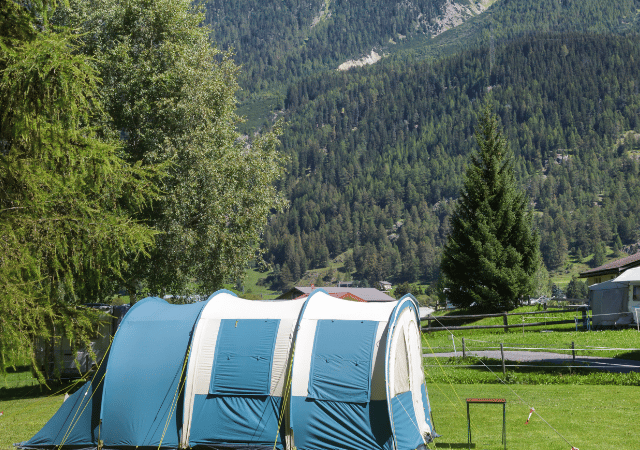 With their long, tunnel-shaped design, these tents offer generous space and height. They usually have multiple rooms and are great for group camping or family holidays. However, they need good pegging and aren’t as sturdy in strong crosswinds.
Best for: Families, long-stay campers, and anyone wanting extra living space.
With their long, tunnel-shaped design, these tents offer generous space and height. They usually have multiple rooms and are great for group camping or family holidays. However, they need good pegging and aren’t as sturdy in strong crosswinds.
Best for: Families, long-stay campers, and anyone wanting extra living space.
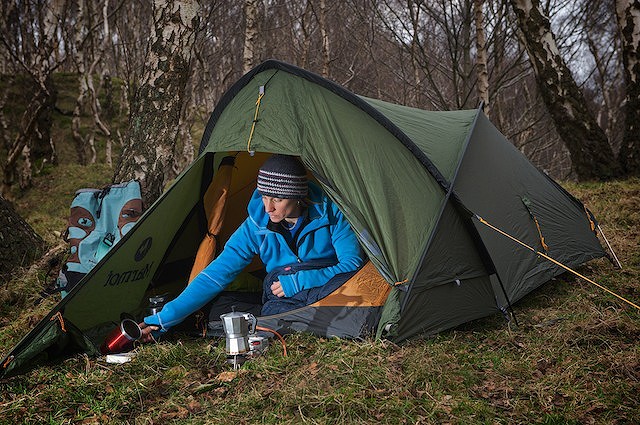 These use a crisscross pole system that makes them incredibly strong and stable. They’re ideal for wild camping and exposed sites where wind is a serious factor.
Best for: Backpackers, wild campers, and those heading into remote or windy areas.
These use a crisscross pole system that makes them incredibly strong and stable. They’re ideal for wild camping and exposed sites where wind is a serious factor.
Best for: Backpackers, wild campers, and those heading into remote or windy areas.
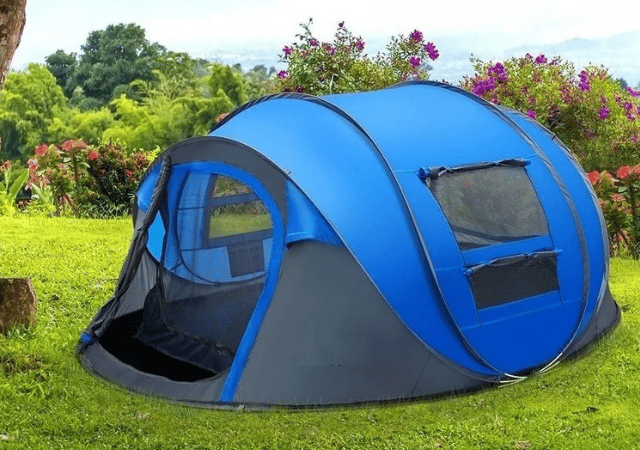 If convenience is your priority, pop-up tents are hard to beat. They unfold in seconds and pack away (eventually) with a bit of practice. The downside? They’re not very durable and struggle in bad weather.
Best for: Festivals, casual camping, or backyard overnights.
If convenience is your priority, pop-up tents are hard to beat. They unfold in seconds and pack away (eventually) with a bit of practice. The downside? They’re not very durable and struggle in bad weather.
Best for: Festivals, casual camping, or backyard overnights.
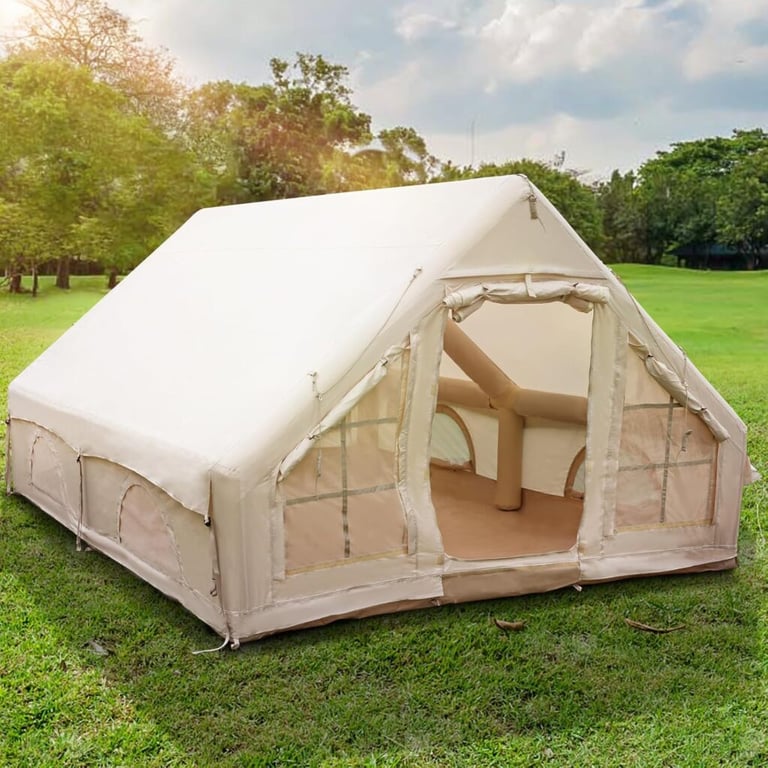 These use air-filled beams instead of poles, making them quick to set up and very family-friendly. They're often spacious and designed with comfort in mind, but they tend to be heavier and pricier.
Best for: Car campers, families, and those looking for a more luxurious camping setup.
These use air-filled beams instead of poles, making them quick to set up and very family-friendly. They're often spacious and designed with comfort in mind, but they tend to be heavier and pricier.
Best for: Car campers, families, and those looking for a more luxurious camping setup.
Need help finding a great tent for your next trip? Head over to camplinq.com for gear reviews, top picks, and real-world tips from campers who love the outdoors just as much as you do.
Why Your Tent Choice Really Matters
A tent isn’t just something you sleep in at night. It’s your shelter. It protects you from wind, rain, insects, sun, and sometimes snow. It’s your private space at a busy campsite, your hideout during a sudden downpour, and your home away from home when you’re deep in nature. Choosing the wrong tent can turn a relaxing weekend into a frustrating, sleepless experience. But the right tent? It can make your whole trip smoother, more comfortable, and much more enjoyable.Tent Sizes: Understanding Capacity Labels
- 1-person tents are very compact—enough for you and maybe a small rucksack.
- 2-person tents fit two people shoulder-to-shoulder, but there’s often no extra space for gear.
- 3-person tents are more comfortable for two campers and leave enough room for bags, boots, or a dog.
- 4-person tents and larger are great for families or couples who want extra space to move around.
Seasonal Ratings: 1 to 4 Seasons Explained
When manufacturers rate tents by season, they’re talking about the kinds of weather the tent is designed to handle—not the time of year you’re using it. Here’s what those season ratings really mean:1- and 2-Season Tents
These are basic, lightweight tents designed for mild summer conditions. They're great for fair-weather camping, festivals, or a night in the garden, but they won’t hold up to wind or heavy rain.3-Season Tents
These are the most popular and versatile tents on the market. They’re built to handle spring, summer, and autumn conditions—including wind, rain, and cooler nights—without being too heavy or stuffy in warm weather. A good 3-season tent will cover 95% of camping needs in the UK and Europe.4-Season Tents
Also known as winter tents, these are built for snow, high winds, and extreme cold. They have stronger poles, reinforced structures, and minimal ventilation to trap warmth inside. These are essential for alpine expeditions, but not practical for warm-weather camping. In summer, they’ll feel more like an oven than a shelter. Unless you're camping in wintery conditions or high altitudes, a 3-season tent will offer the best balance of comfort, protection, and ventilation.Tent Styles and Setups: Which One Fits Your Needs?
The shape and structure of your tent play a big role in how it handles wind, rain, and even how easy it is to set up at the end of a long day. Each tent type has its pros and cons—here’s how they stack up.Dome Tents
Tunnel Tents
Geodesic and Semi-Geodesic Tents
Pop-Up Tents
Inflatable Tents (Air Tents)
Important Features to Look For
Once you’ve narrowed down the size and style, pay attention to the details that make a tent functional and comfortable in real-world conditions. Ventilation Poor airflow is a common cause of discomfort in tents. Look for mesh panels, high/low vents, and two-door designs to promote cross ventilation and reduce condensation. Rain Protection A solid rainfly is essential. You’ll want one that covers the entire tent, not just the top. Also, check the hydrostatic head rating—a rating of 1500mm or more is considered waterproof for light to moderate rain, while 3000mm+ is better for heavy UK downpours. Groundsheet and Flooring Look for a sewn-in groundsheet to keep out water, bugs, and dirt. In muddy conditions, a bathtub-style floor (that curves up the sides) is also a good feature to have. Storage and Living Space If you’re not packing ultralight, aim for a tent with a porch or vestibule where you can leave muddy boots or cook in poor weather. Internal pockets, hooks, and gear lofts help you stay organized. Pitching Ease Whether you’re pitching alone or setting up in the rain, simplicity matters. Colour-coded poles, clip systems, or air beams can make setup faster and less stressful. Portability If you’re backpacking or hiking, your tent should weigh under 3kg and pack down small. For car camping, weight matters less, but storage space in your boot might still be tight—especially with family gear.Match Your Tent to Your Camping Style
Still not sure which direction to go? Here’s a quick reference to help you decide:| Heading #1 | Heading #2 | Heading #3 |
|---|---|---|
| Simple content | Simple content | Simple content |