
Blog
How to Pack a Car for Camping: Space-Saving Tips That Work
6 August 2025
Let’s be honest—packing the car for a camping trip can feel like playing a high-stakes game of Tetris. You start with a simple plan, but somehow, by the time you’re loading the tenth bag of gear, things are tipping over, someone’s lost a shoe, and there’s still a folding table that won’t fit.
We’ve been there. And after many trips, trailer tent setups, and the occasional last-minute reshuffle on the driveway, we’ve figured out a few space-saving tricks that actually work.
Whether you’re heading off for a long weekend or a full family camping holiday, these tips will help you pack smarter, stay organised, and make the most of every inch in your boot.
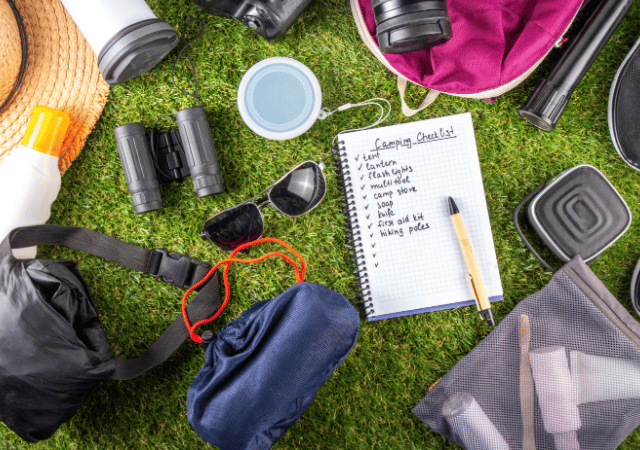 It sounds obvious, but having a packing list makes a huge difference—especially when space is limited.
A list helps you:
It sounds obvious, but having a packing list makes a huge difference—especially when space is limited.
A list helps you:
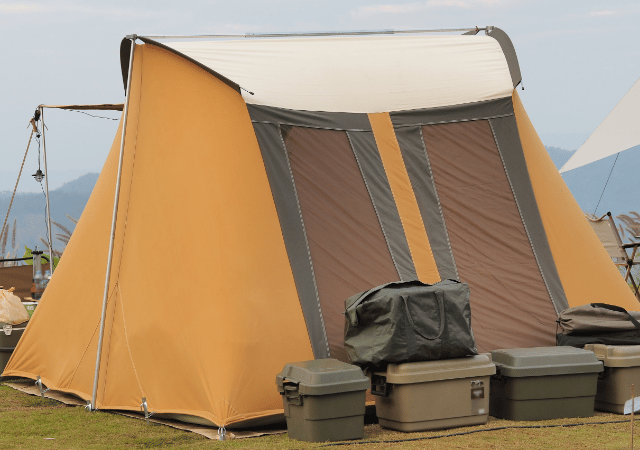 Loose items are the enemy of space-saving. Instead, group similar items into stackable plastic storage boxes.
Our go-to categories are:
Loose items are the enemy of space-saving. Instead, group similar items into stackable plastic storage boxes.
Our go-to categories are:
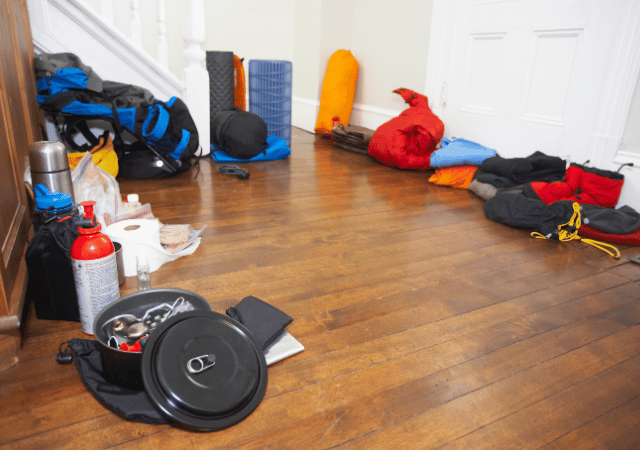 Here’s a rule we swear by: last in, first out.
Think about what you’ll need immediately when you arrive at camp—usually the tent, groundsheet, pegs, and maybe the kettle.
Pack those items last so they’re right at the top or back of the boot when you open it. That way, you’re not dragging out bags of clothes just to pitch the tent.
Likewise, sleeping bags and clothes can go in first—since you won’t need them for a few hours.
Here’s a rule we swear by: last in, first out.
Think about what you’ll need immediately when you arrive at camp—usually the tent, groundsheet, pegs, and maybe the kettle.
Pack those items last so they’re right at the top or back of the boot when you open it. That way, you’re not dragging out bags of clothes just to pitch the tent.
Likewise, sleeping bags and clothes can go in first—since you won’t need them for a few hours.
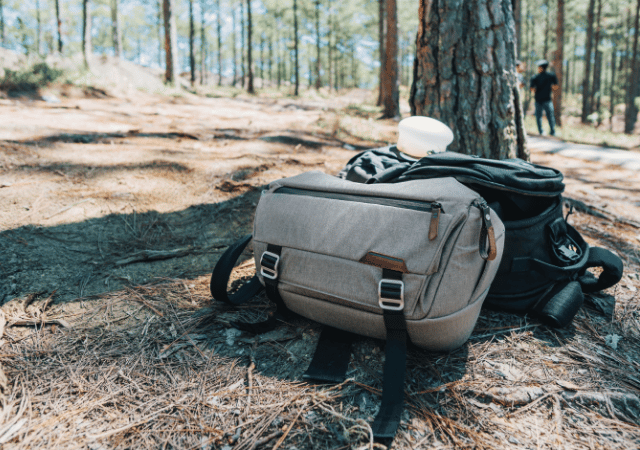 Rigid suitcases waste space. Instead, use duffel bags, stuff sacks, or soft-sided bags that can be squashed to fit odd spaces in the boot.
We often pack clothes by person and label each bag. Or, if you have small kids, one bag per day works well—complete with outfits, underwear, and socks already sorted.
Soft bags also slide easily under camp beds or into the corners of your trailer tent once you're set up.
Rigid suitcases waste space. Instead, use duffel bags, stuff sacks, or soft-sided bags that can be squashed to fit odd spaces in the boot.
We often pack clothes by person and label each bag. Or, if you have small kids, one bag per day works well—complete with outfits, underwear, and socks already sorted.
Soft bags also slide easily under camp beds or into the corners of your trailer tent once you're set up.
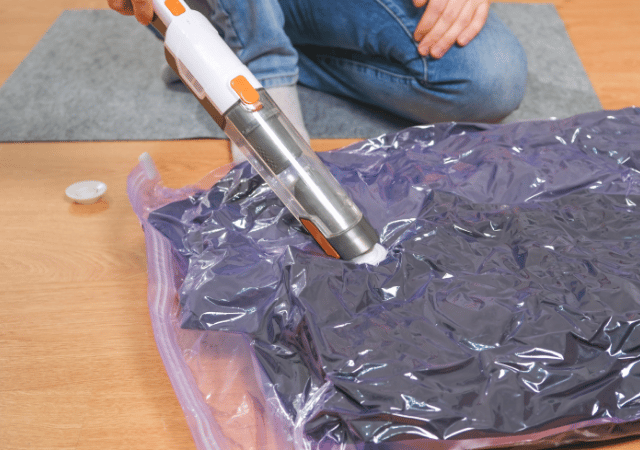 Sleeping bags, jackets, spare blankets—they all take up more room than you think. That’s where vacuum bags or compression sacks come in.
Use them to squash soft items down to a fraction of the size. Bonus: it also keeps clothes dry in case your car boot leaks in heavy rain.
Just make sure you don’t vacuum-pack anything you’ll need quickly when you arrive.
Sleeping bags, jackets, spare blankets—they all take up more room than you think. That’s where vacuum bags or compression sacks come in.
Use them to squash soft items down to a fraction of the size. Bonus: it also keeps clothes dry in case your car boot leaks in heavy rain.
Just make sure you don’t vacuum-pack anything you’ll need quickly when you arrive.
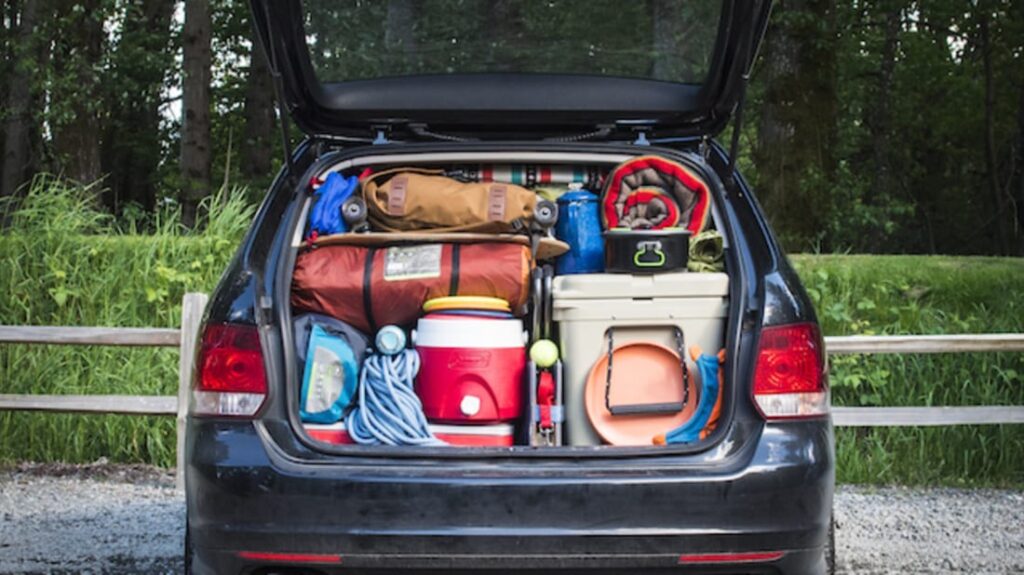 When your car's boot becomes your second storage room, think in layers.
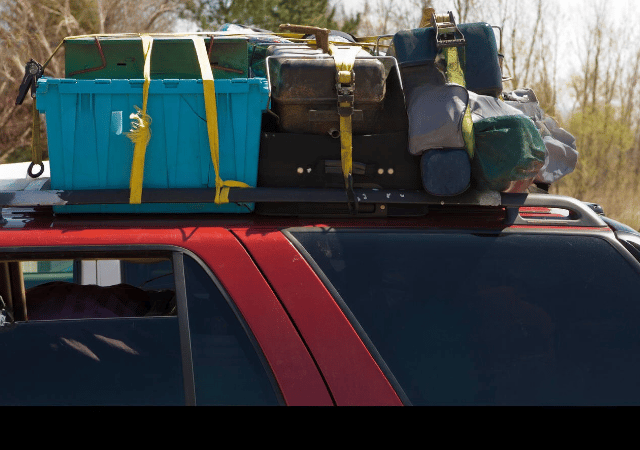 If you’ve got a roof box, make the most of it. It’s ideal for light but bulky items like:
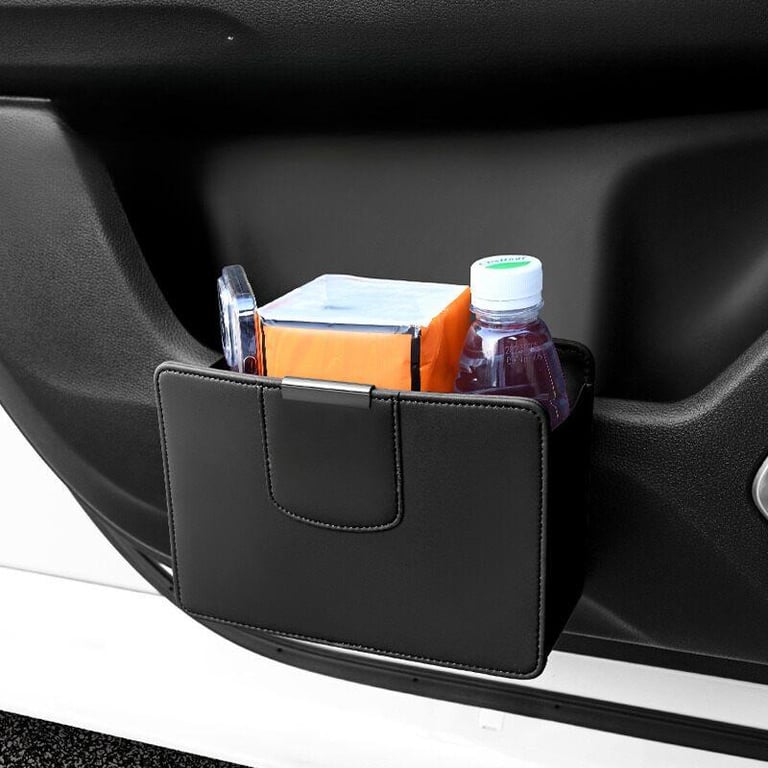 Every little bit of space counts—so don’t overlook the smaller compartments.
Footwells can store:
Every little bit of space counts—so don’t overlook the smaller compartments.
Footwells can store:
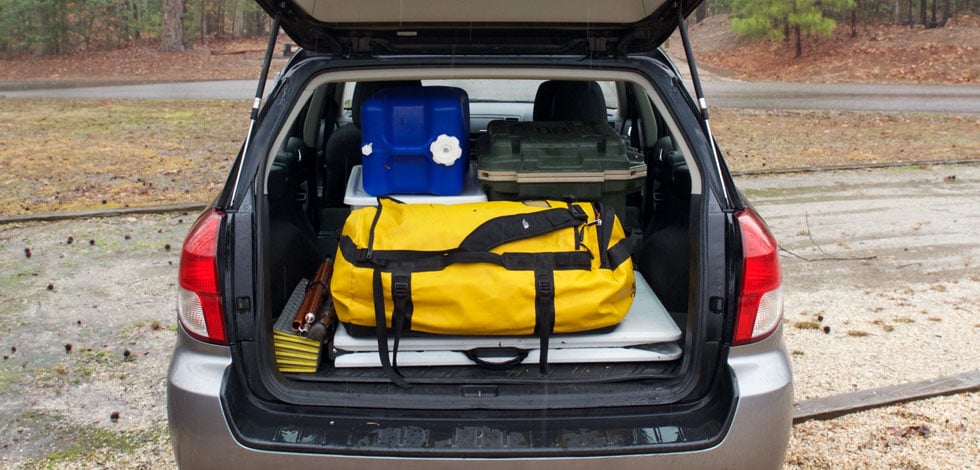 As tempting as it is to pack the car to the roof, try to leave a little breathing room. You’ll be thankful when:
1. Start with a Packing List (And Stick to It)
- Avoid bringing duplicate or non-essential items
- Prioritise what really needs to go in the car
- Pack in a logical order (more on that below)
2. Use Storage Boxes to Keep Things Tidy
- Kitchen gear: pots, utensils, stove, gas
- Dry food & snacks
- Outdoor gear: torches, rope, tent pegs, mallet
- Kids' stuff: games, books, toys
- Wet gear: towels, swimwear, wipes
3. Pack in Reverse Order
4. Use Soft Bags for Clothes
5. Vacuum Pack Bulky Items
6. Pack Items in Layers
- Bottom layer: things you won’t need until you arrive at camp (e.g. spare clothes, extra food)
- Middle layer: storage boxes and bags for quick setup
- Top layer: tent, groundsheet, tools, mallet, raincoat
7. Don’t Forget the Roof (If You Have One)
- Sleeping bags
- Pillows
- Towels
- Roll mats
- Spare blankets
8. Use Door Pockets and Footwells
- Shoes or boots (in bags or plastic tubs)
- Snacks for the journey
- Toy boxes or books for the kids
9. Leave Space for the Unexpected
- You buy food or firewood near the site
- You need to change gear mid-trip
- It starts raining and you need to chuck wet gear in quickly