
Blog
How to Keep Your Tent or Trailer Tent Clean and Dry in Bad Weather
8 August 2025
Let’s be honest—camping in bad weather isn’t always fun, especially when you’re trying to keep the inside of your tent or trailer tent dry, clean, and halfway comfortable.
We’ve had our fair share of soggy socks, muddy footprints, and that wet canvas smell that just clings to everything. Over time, we’ve picked up a few simple but game-changing tricks that help keep things cleaner and drier—even when the rain won’t let up.
So if you're heading out soon and worried about what to do when the skies open, here’s how to stay one step ahead of the mud.
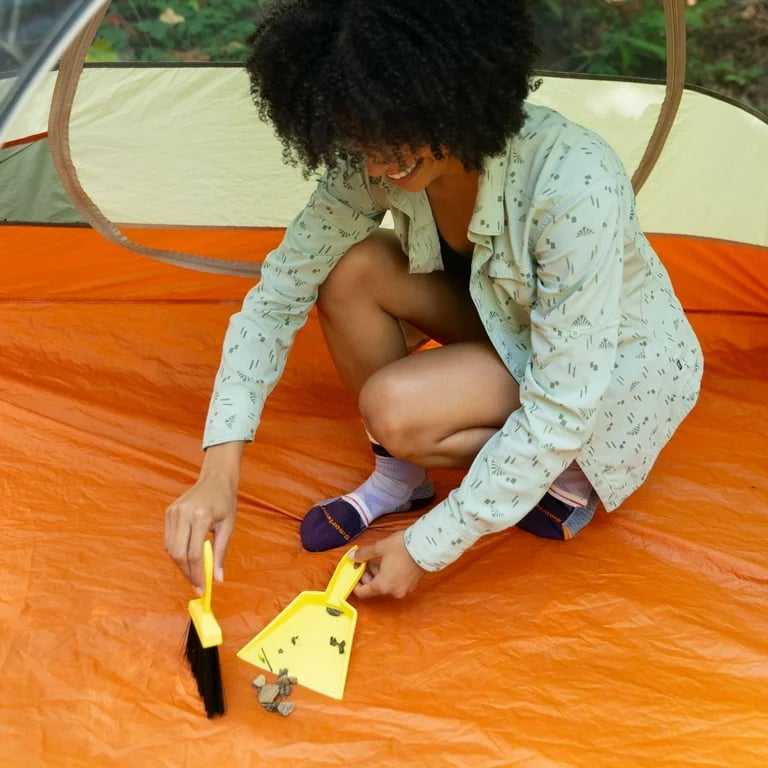 Let’s start with the one item we now never camp without: a small broom and dustpan.
When the ground’s muddy, grass turns to mush, and the kids (or dog) walk through the tent twenty times, you’ll want a way to sweep it out quickly. We keep ours near the entrance and do a quick sweep every morning and before bed.
It sounds basic, but it keeps dirt from building up fast, especially in trailer tents with bigger floor space.
You can even get a folding or mini broom that tucks neatly into your storage box.
Let’s start with the one item we now never camp without: a small broom and dustpan.
When the ground’s muddy, grass turns to mush, and the kids (or dog) walk through the tent twenty times, you’ll want a way to sweep it out quickly. We keep ours near the entrance and do a quick sweep every morning and before bed.
It sounds basic, but it keeps dirt from building up fast, especially in trailer tents with bigger floor space.
You can even get a folding or mini broom that tucks neatly into your storage box.
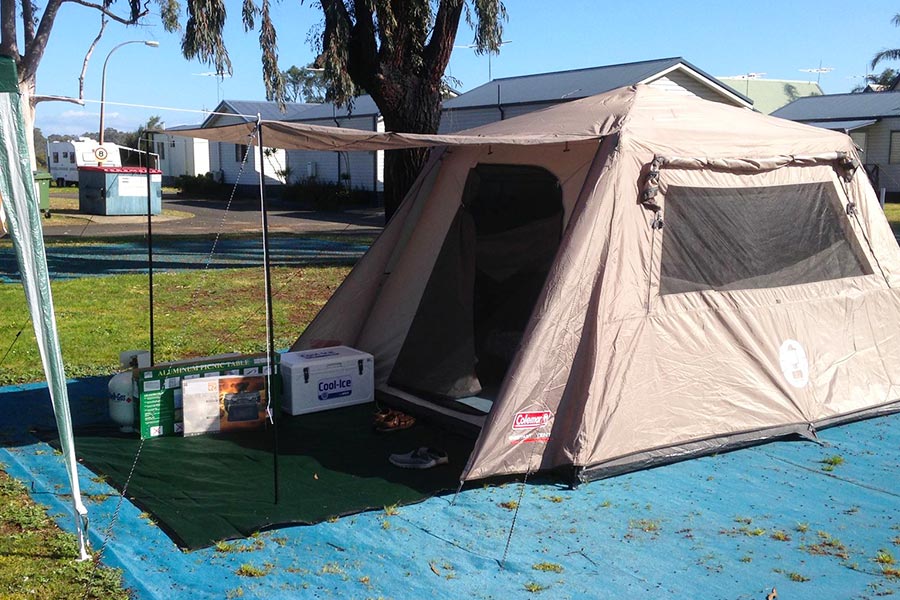 Setting up on wet or uneven ground? A groundsheet or footprint is essential. It adds a waterproof layer under your tent floor and protects the fabric from abrasion, damp, and mud.
Some tips:
Setting up on wet or uneven ground? A groundsheet or footprint is essential. It adds a waterproof layer under your tent floor and protects the fabric from abrasion, damp, and mud.
Some tips:
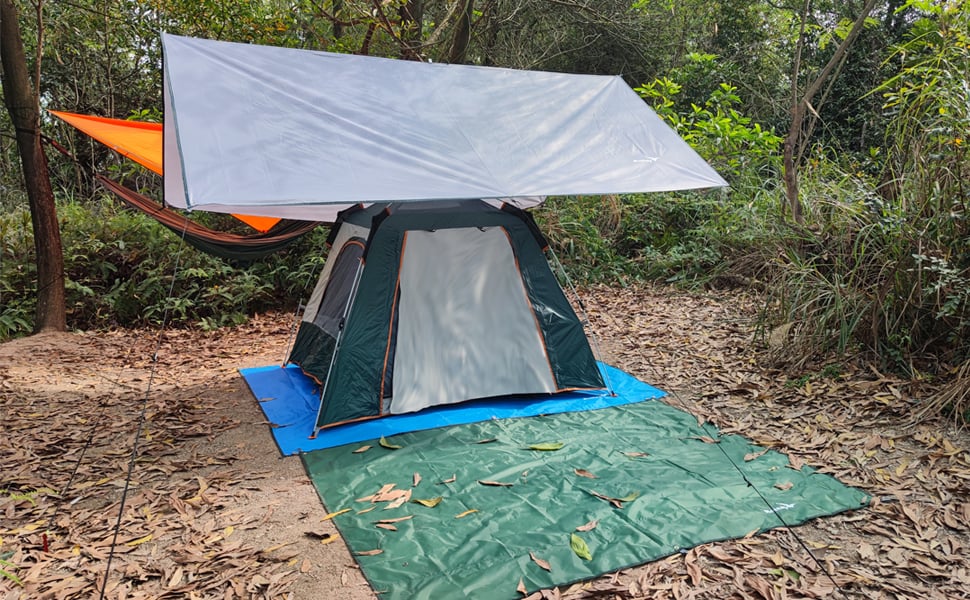 One of our favourite upgrades: a tarp or small awning just outside the tent door.
Even a simple tarp rigged between trees or tied to the trailer helps:
One of our favourite upgrades: a tarp or small awning just outside the tent door.
Even a simple tarp rigged between trees or tied to the trailer helps:
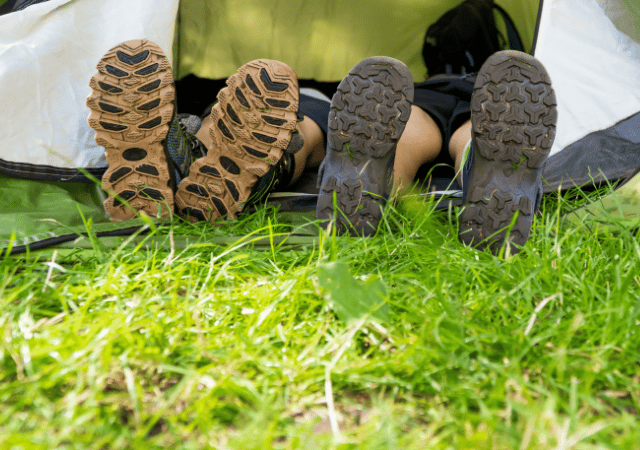 As soon as it starts to rain, we go into damage control mode—and that starts with shoes.
Keep a box or mat just inside the entrance (or under your awning) where everyone can leave their shoes. We’ve also started packing extra pairs of cheap slip-ons or camp shoes for this reason. One muddy walk and you’ll be glad you didn’t only bring trainers.
It’s amazing how much cleaner things stay when mud never makes it past the door.
As soon as it starts to rain, we go into damage control mode—and that starts with shoes.
Keep a box or mat just inside the entrance (or under your awning) where everyone can leave their shoes. We’ve also started packing extra pairs of cheap slip-ons or camp shoes for this reason. One muddy walk and you’ll be glad you didn’t only bring trainers.
It’s amazing how much cleaner things stay when mud never makes it past the door.
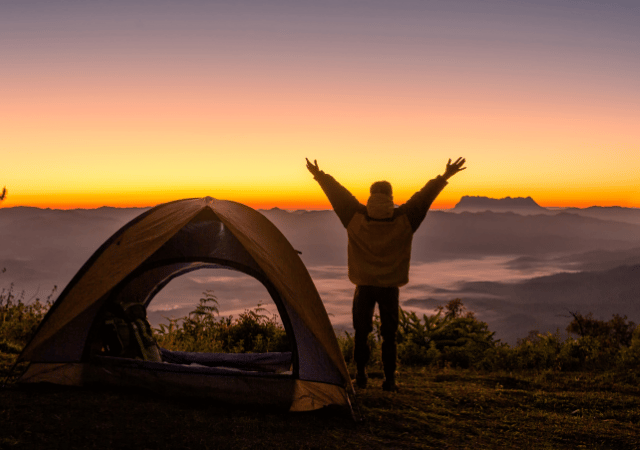 Here’s something we learned the hard way: even in rainy weather, you need airflow.
Shutting everything tight to keep out water also traps condensation inside your tent or trailer tent. And that can leave the whole place damp, clammy, and unpleasant.
Keep a couple of windows or vents slightly open—especially overnight. Mesh panels help if you’re worried about bugs.
Some trailer tents have side flaps or vents under the sleeping pods—use them, even if it’s just a crack.
Here’s something we learned the hard way: even in rainy weather, you need airflow.
Shutting everything tight to keep out water also traps condensation inside your tent or trailer tent. And that can leave the whole place damp, clammy, and unpleasant.
Keep a couple of windows or vents slightly open—especially overnight. Mesh panels help if you’re worried about bugs.
Some trailer tents have side flaps or vents under the sleeping pods—use them, even if it’s just a crack.
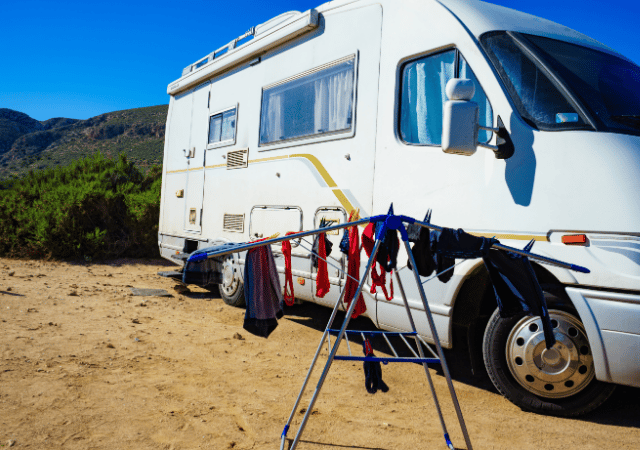 Wet coats, towels, boots—they’ll ruin your dry space if you don’t manage them properly.
What works for us:
Wet coats, towels, boots—they’ll ruin your dry space if you don’t manage them properly.
What works for us:
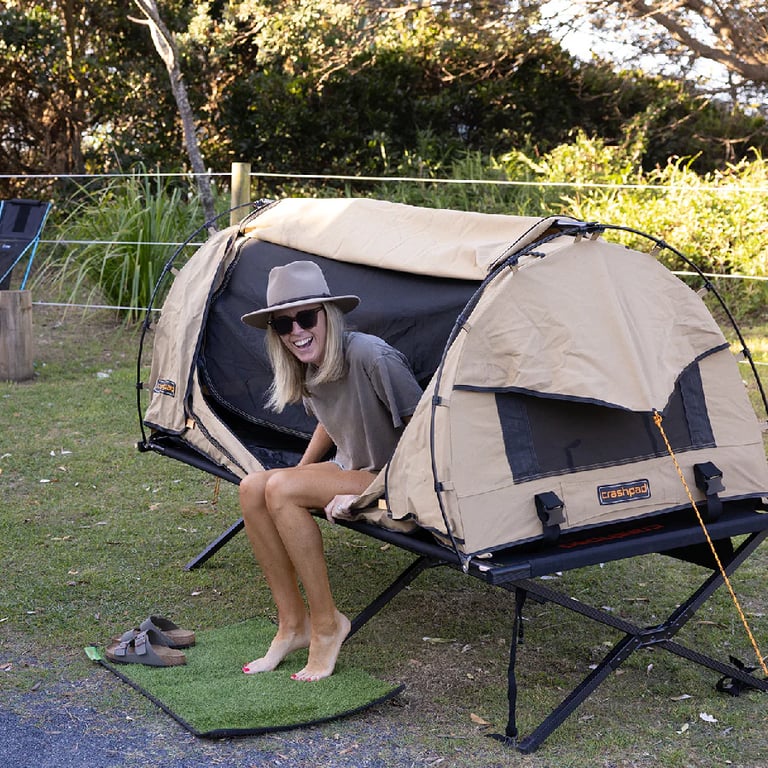 Put one inside, one outside. That simple.
Use rubber or waterproof-backed mats so water doesn’t seep through.
Wipe feet, dry off, and leave the mess at the door.
Even kids (eventually) learn to do it if you remind them enough.
We also keep an old towel by the entrance—for feet, dogs, or the occasional leaky raincoat.
Put one inside, one outside. That simple.
Use rubber or waterproof-backed mats so water doesn’t seep through.
Wipe feet, dry off, and leave the mess at the door.
Even kids (eventually) learn to do it if you remind them enough.
We also keep an old towel by the entrance—for feet, dogs, or the occasional leaky raincoat.
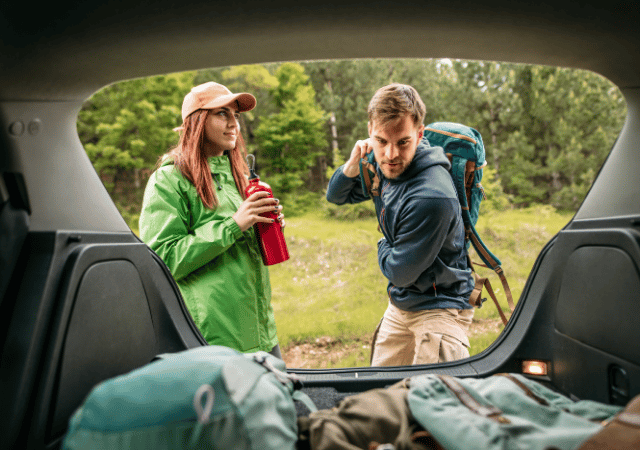 Packing up in the rain is rough—but being prepared makes it bearable.
Bring:
Packing up in the rain is rough—but being prepared makes it bearable.
Bring:
1. Always Pack a Broom (Trust Me)
2. Use a Groundsheet or Footprint Under Your Tent
- Choose a groundsheet slightly smaller than your tent floor so rain doesn’t collect and run underneath
- If you’re in a trailer tent, make sure the footprint covers the full base—even under extended sleeping areas
- In really bad weather, consider using double layers: one underneath and a soft mat inside
3. Set Up a Tarp or Shelter Outside the Entrance
- Create a dry “transition space” for muddy shoes and wet coats
- Give you room to cook or sit outside during light rain
- Prevent water from dripping straight into your tent entrance
4. Make a “No Shoes Inside” Rule (And Stick To It)
5. Ventilate, Even When It’s Raining
6. Have a Wet Gear Strategy
- Hang a bungee cord or travel clothesline under the awning or tarp for wet gear
- Bring a few heavy-duty hooks or clips for drying towels
- Use plastic storage boxes inside the tent for wet or muddy items—way better than soggy piles on the floor
7. Use Waterproof Mats Inside the Door
8. Be Prepared for the Pack-Down
- A few plastic storage tubs or bin bags to separate wet and dry gear
- A dry bag for your clean clothes and sleeping bags
- A microfibre towel to wipe down poles, floors, and surfaces
- A spare tarp to fold wet canvas on so it doesn’t get everything else wet