


Camping in summer sounds ideal—clear skies, warm nights, and plenty of daylight to explore. But what if your trip falls right in the middle of a heatwave?
If you’re asking, “Should I go camping during a heatwave?” the honest answer is: it depends. Camping in extreme heat comes with challenges, but it can still be doable with good planning and the right gear.
This guide covers everything you need to stay cool, safe, and enjoy your trip—even when temperatures rise.
Is It Safe to Camp During a Heatwave?
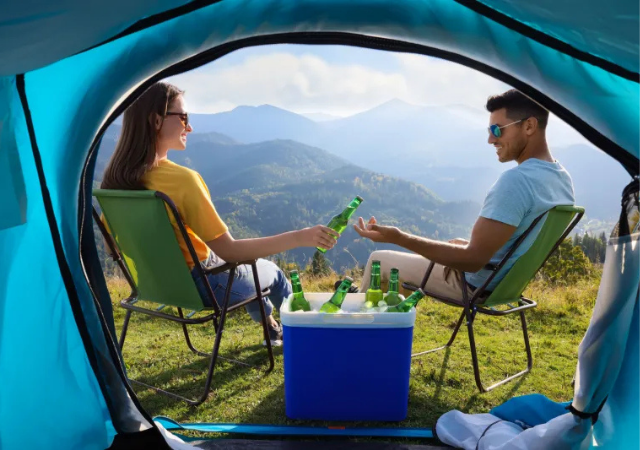
Camping during a heatwave can be safe if you’re healthy, prepared, and take heat seriously. But there’s a big difference between 28°C and 42°C days.
If you or someone in your group is sensitive to heat—like small children, elderly campers, or anyone with heart or respiratory conditions—you’ll need to be extra careful. Dehydration, heat exhaustion, and heatstroke can sneak up fast.
Also, consider where you’re going. A breezy coastal campground is more manageable than a dry, inland valley with no shade.
When Camping in a Heatwave Makes Sense
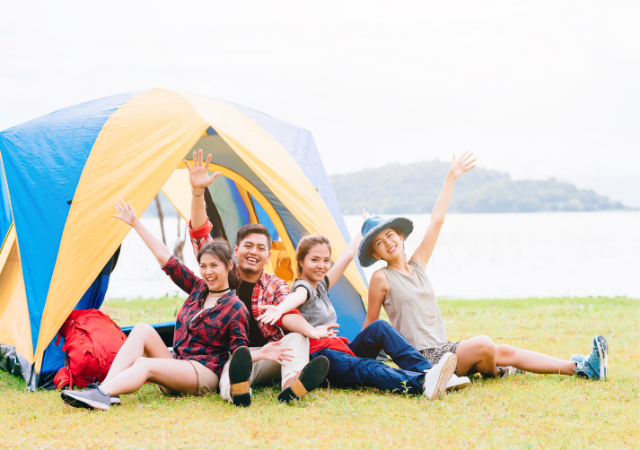
Not all heatwaves are equal. In some areas, a “heatwave” may just mean two or three days above 30°C. If that’s the case, and your campsite has shade and access to water, you can still enjoy yourself.
Here’s when summer camping is still a go:
- You’re camping near water where you can cool off
- Your campsite has natural shade or tree cover
- You’ve packed plenty of water and hydration aids
- You’re using breathable shelter and heat-resistant gear
- You know how to spot and respond to heat illness symptoms
As long as you adjust your pace and stay cool, it can still be a fun summer trip.
When You Should Cancel or Reschedule
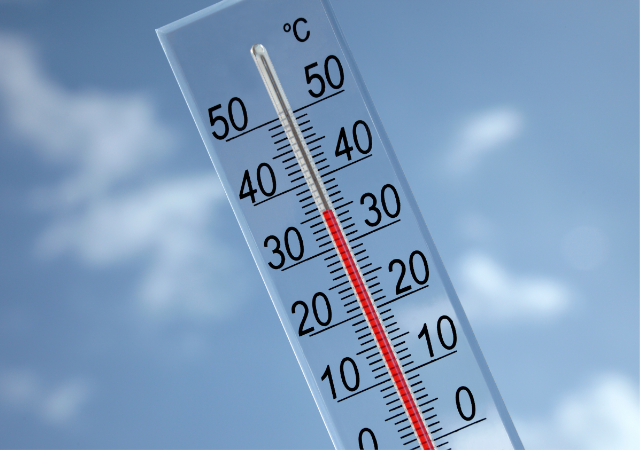
If the forecast is extreme—temperatures above 38°C with no overnight relief—you may want to hold off. There’s no fun in struggling to sleep in a tent that feels like an oven or hiking in dangerous heat.
Cancel your trip if:
- There’s no shade or water nearby
- Wildfire risks or burn bans are in place
- The air is smoky, humid, or still
- You or someone in your group has a health condition made worse by heat
- You don’t have gear that can keep you cool and hydrated
Sometimes, safety comes before adventure. There’s no shame in rescheduling when conditions are unsafe.
Smart Tips to Survive a Heatwave While Camping
If you decide to head out anyway, follow these practical tips to manage the heat and make the most of your trip.
1. Choose Your Campsite Carefully
This is your first and most important move. Pick a site that offers:
- Natural shade from trees or rock formations
- High elevation, where temperatures are usually cooler
- Proximity to lakes, rivers, or streams
Avoid wide-open fields or direct sun exposure. A shady site can make a 10-degree difference in how the day feels.
Bonus tip: some campgrounds offer sites with electric hookups, allowing you to run fans or even a portable air conditioner.
2. Set Up Early or Late in the Day
Avoid doing any heavy lifting during the hottest part of the day. That includes pitching your tent or setting up your camper.
Plan to arrive early in the morning or after 6 PM, when it’s cooler. This also gives you time to explore the campsite and find the best shady angles for your gear.
During mid-day heat (typically 12 PM to 4 PM), stay still and stay in the shade.
3. Bring Heat-Friendly Gear
Regular camping gear may not cut it in a heatwave. Make sure to upgrade or add the following:
- Reflective tarps to create shaded zones above your tent or seating area
- A light-colored tent or canopy to reflect sunlight
- Battery-operated or USB-powered fans to keep air circulating
- Cooling towels, which hold cold water and stay cool for hours
- Insulated water containers to keep drinks cold throughout the day
Stay away from dark-colored gear or thick sleeping bags. Think cool, light, and breathable.
4. Make a DIY Air Cooler
A quick and easy way to cool your tent or camper:
- Fill a cooler with ice or frozen water bottles
- Set a small fan behind it
- Angle the fan so it blows air across the ice
This makes a basic evaporative cooler. It won’t drop the temperature drastically, but it can make your shelter more bearable for a few hours.
5. Stay Hydrated—More Than You Think You Need
You lose fluids faster than you realize in the heat. Even light activity can dehydrate you quickly.
- Sip small amounts of water every 15–30 minutes
- Add electrolyte tablets or powders to your water during intense heat
- Watch out for signs of dehydration: dry mouth, headache, dizziness, or dark urine
Avoid drinks that make it worse—alcohol, soda, and caffeinated beverages can all dry you out more.
6. Dress for the Heat
The right clothes can make a huge difference in how your body handles the heat.
- Wear light, loose-fitting clothing made of breathable fabric
- Stick to light colors that reflect the sun
- Choose moisture-wicking fabrics like polyester blends or merino wool
- Don’t forget a wide-brimmed hat and sunglasses for extra protection
- Apply high-SPF sunscreen every few hours
Avoid cotton during sweaty hikes—it holds moisture and can cause chafing.
7. Keep Food Safe in Hot Weather
Spoiled food is more than a hassle—it’s a health risk.
- Use a well-insulated cooler and store it in the shade
- Pre-freeze meals and snacks before you leave
- Limit how often you open the cooler
- Stick to simple, no-cook meals during the day
- Avoid dairy, eggs, and raw meats unless you can keep them very cold
Bring high-energy snacks like trail mix, granola bars, and fruit that doesn’t need refrigeration.
8. Plan Low-Energy Activities
When it’s blazing hot, avoid high-exertion plans. Save the long hikes and mountain climbs for cooler days.
Great alternatives include:
- Swimming or wading in nearby water
- Laying in a hammock with a good book
- Playing card games under a shady tree
- Taking short walks in the early morning or evening
- Doing nothing at all—just relaxing and recharging
Camping in the heat is about slowing down and staying cool.
9. Sleep Smart
Hot nights can ruin sleep, especially in a tent that’s been baking all day.
- Sleep on a cot or raised pad to stay off the warm ground
- Use a light sheet or sleeping bag liner instead of a full sleeping bag
- Keep your tent or camper windows open for cross-ventilation
- Hang a damp towel near a fan to cool the air slightly
If it’s still too hot, step outside for a few minutes. The night breeze can help reset your body temperature.
10. Know the Warning Signs of Heat Illness
This is serious. Heat-related illness can escalate quickly. Know what to look for in yourself and others.
Signs of heat exhaustion:
- Heavy sweating
- Weakness, fatigue
- Nausea or headache
- Pale, clammy skin
- Dizziness or fainting
Signs of heatstroke (emergency):
- High body temperature (over 40°C / 104°F)
- Red, dry skin with no sweating
- Confusion or disorientation
- Fast heartbeat
- Loss of consciousness
If you see these symptoms, move the person into shade, cool them down immediately, and call for medical help.
Final Thoughts: Should You Go Camping in a Heatwave?
Camping during a heatwave can work—if you’re prepared, informed, and realistic. But don’t push it if it feels unsafe.
Look for shady campsites, pack smart gear, stay hydrated, and rest often. Avoid overexertion and focus on relaxing activities.
If the weather looks dangerous, reschedule. Nature will still be there next weekend.