


A good sleeping bag is one of the most important pieces of camping gear you’ll ever own. Whether you’re spending the night in a trailer tent, under canvas by the lake, or deep in the forest, staying warm and comfortable is non-negotiable.
But when it comes to choosing a sleeping bag, one question always comes up:
Should you go with down or synthetic insulation?
They’re both popular, both widely available, and both have their pros and cons. Over the years, we’ve used both types on all kinds of trips—from summer coastal weekends to chilly mountain camps—and we’ve learned a few things.
So, let’s break it down: what’s the difference between down and synthetic sleeping bags, and which one is best for your style of camping?
What’s the Real Difference?
At the core of every sleeping bag is insulation—the stuff that keeps you warm. And that’s where down and synthetic bags differ.
- Down insulation comes from the fluffy under-feathers of ducks or geese. It’s incredibly light and warm, and it packs down small.
- Synthetic insulation is made from man-made fibres, usually polyester, designed to trap air and mimic the way down works—but it handles moisture better.
On the surface, they seem pretty similar. But when you’re camping in the real world—with damp mornings, cold nights, or wet gear—the differences really matter.
Down Sleeping Bags: Warmth Without Weight
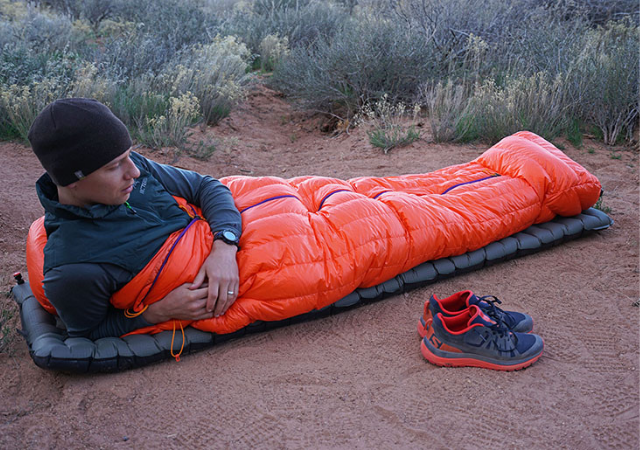
Why Campers Love Down:
- Exceptionally warm for its weight—ideal for cold nights without bulk
- Packs down incredibly small—great for saving space
- Long-lasting when properly cared for—down can last decades
If you’re heading out on multi-day hikes or need a high-performance sleeping bag for colder weather, down is hard to beat. It’s the go-to choice for backpackers, wild campers, and anyone who prioritises pack weight and warmth.
But… Down Has Its Drawbacks:
- Doesn’t perform well when wet—loses insulation power quickly
- Takes longer to dry if it gets damp
- Usually more expensive than synthetic
- Needs careful washing and storage to keep its loft (that fluffy, warming quality)
Good for: Dry climates, cold conditions, lightweight packing, and long-term investment.
Synthetic Sleeping Bags: Reliable, Even When Wet
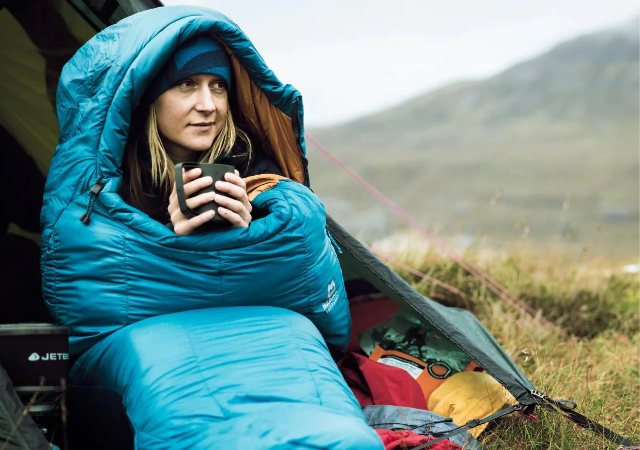
Why Synthetic Bags Are So Popular:
- Still insulates when wet—great for damp or unpredictable weather
- Dries quickly if it does get soaked
- Usually cheaper than down
- Easier to clean and maintain—just pop it in the washing machine
For many family campers, festival-goers, or weekend adventurers, a synthetic bag ticks all the boxes. It’s versatile, reliable, and you don’t have to stress if it ends up a bit muddy or damp.
The Downsides:
- Heavier and bulkier for the same warmth rating
- Doesn’t pack as small—takes up more space in your kit
- Over time, the insulation may break down faster than down
Good for: Wet conditions, general-purpose camping, car campers, trailer tent users, and beginners.
Warmth Ratings: Down vs. Synthetic
It’s worth mentioning that warmth isn’t just about insulation type. Look at:
- Season ratings (1-season = summer only, 3-season = spring to autumn, etc.)
- Comfort and limit temperatures (shown on the bag label)
- Shape and fit—mummy bags keep heat in better than rectangular ones
In general, down offers more warmth per gram, but a high-quality synthetic bag can still be excellent for most 3-season UK camping trips.
Which One Is Right for You?
Here’s a quick comparison based on different camping styles:
Camping Style | Best Insulation Type | Why |
Backpacking & hiking | Down | Light, warm, and packs small |
Wet, coastal camping | Synthetic | Handles damp air and morning dew |
Family campsite trips | Synthetic | Easy to clean, kid-proof, budget-friendly |
Cold-weather camping | Down (with water repellent) | Excellent warmth in dry conditions |
Festival camping | Synthetic | Affordable, low-maintenance |
Glamping or trailer tents | Either | Depends on your comfort priorities |
Storage & Care Tips
Whatever insulation you choose, your sleeping bag will last longer with proper care.
For down bags:
- Store loose, not compressed—in a large cotton or mesh bag
- Use a liner to reduce washing needs
- Spot clean when possible
- When you do wash it, follow the label—use down-safe detergent and a dryer with tennis balls to fluff it back up
For synthetic bags:
- Can be stored rolled or loosely folded
- Machine washable—just check the label
- Dries much faster than down
- Still, a liner helps keep it cleaner longer
Final Thoughts
If you asked me which type is better, I’d say: it depends on how and where you camp.
If you’re hiking, wild camping, or facing colder nights—go for a quality down bag. It’ll keep you toasty without weighing down your pack.
If you’re sticking to campsites, have kids in tow, or might face a wet weekend—a synthetic bag will serve you well. It’s low-maintenance, reliable, and offers plenty of comfort for the average camper.
And remember: the best sleeping bag is the one that fits you. Your body, your needs, your adventures.
So next time you’re planning a trip, think about what matters more: weight, weather, or worry-free gear—and choose accordingly.
Looking for more tips on choosing the right camping gear for your next trip? Head over to camplinq.com for tent guides, campsite reviews, and real-world advice from campers who live for weekends under the stars.