


If you’re shopping for a new tent, you’ve probably noticed two types that stand out: pop-up tents and traditional tents. One offers instant pitching in seconds. The other takes a little more effort, but gives you more structure and versatility.
So, how do you choose between them? Should you go for speed and simplicity, or stick with tried-and-tested features?
In this guide, we’ll break down the pros and cons of pop-up and traditional tents, explain when to use each one, and help you decide which type fits your camping style best.
Let’s find the right shelter for your next adventure.
What Is a Pop-Up Tent?
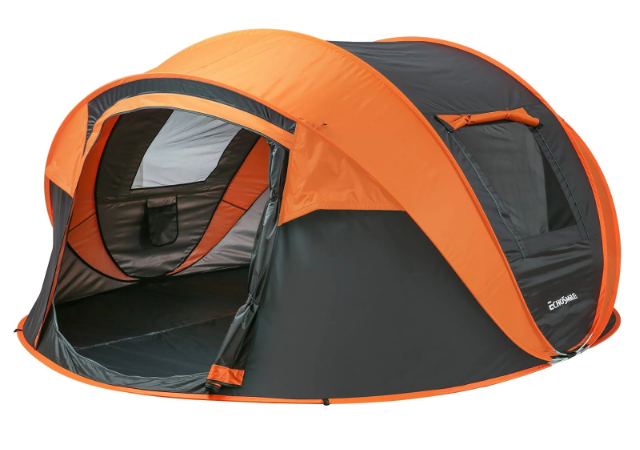
A pop-up tent is exactly what it sounds like—a tent that literally “pops up” into shape the moment you unpack it. The flexible poles are pre-attached and spring into position as soon as the tent is released from its case.
Pop-up tents are known for their quick setup. You don’t need to thread any poles or read complicated instructions. Most models are pitched and ready to go in under a minute.
But while the speed is great, these tents do come with a few compromises. Let’s take a closer look.
What Is a Traditional Tent?
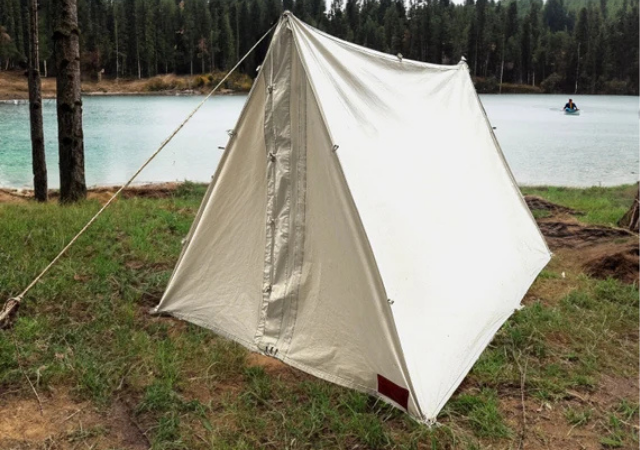
A traditional tent usually refers to any tent that uses separate poles and fabric that you assemble manually. This includes dome tents, tunnel tents, geodesic tents, and even inflatable air tents.
While traditional tents take longer to pitch, they usually offer better weather resistance, more space options, and a greater variety of layouts. You’ll also find more durable materials and proper rain protection.
Traditional tents are the standard choice for most serious campers, and with good reason—they’re built to last and handle a wide range of conditions.
Pop-Up Tent: Pros and Cons
Pop-up tents are ideal when simplicity and speed matter most. But they’re not perfect for every situation.
Pros:
- Ultra-fast setup—just unzip, release, and you’re done
- Beginner-friendly—no poles to figure out or instructions to follow
- Lightweight and compact—easy to carry and store
- Great for short trips—perfect for festivals, beach days, or one-night stays
Cons:
- Not great in bad weather—wind and rain can overwhelm most models
- Difficult to pack away—folding them back can be a learning curve
- Limited durability—materials and stitching are often lower quality
- Small interior space—not ideal for long trips or gear-heavy camping
In short, pop-up tents are perfect for casual, fair-weather camping where speed and convenience matter more than comfort or protection.
Traditional Tent: Pros and Cons
Traditional tents offer more options, but they also require a bit more skill and time to set up.
Pros:
- Excellent weather protection—especially with full rainflies and strong poles
- More interior space and layout choices—including multi-room options
- Durable and long-lasting—better materials, reinforced seams, and reliable zips
- Customisable—choose based on shape, weight, features, and season rating
Cons:
- Takes longer to pitch and pack—especially the first few times
- Heavier and bulkier to transport—especially large family models
- Can be overwhelming for beginners—requires learning setup steps
- Higher cost—but often worth it for longer trips
Traditional tents are a solid choice for multi-day trips, unpredictable weather, and anyone looking for comfort and performance.
When to Use a Pop-Up Tent

Pop-up tents are a great choice for certain scenarios—especially when speed matters more than anything else.
Choose a pop-up tent if you:
- Are camping for one or two nights in dry weather
- Are going to a festival or music event
- Want a backup or emergency shelter
- Need something lightweight and quick to set up
- Are camping with older kids or teens and want something easy to manage
Pop-up tents work best when the weather is mild and your gear needs are minimal. They’re great for spontaneous weekend getaways or when you want to keep things as simple as possible.
When to Use a Traditional Tent

Traditional tents are the better option when comfort, reliability, and flexibility are important.
Choose a traditional tent if you:
- Are camping for more than two nights
- Expect rain, wind, or cooler temperatures
- Need space for multiple people or lots of gear
- Are family camping or bringing pets
- Want a tent that will last for years, not just one summer
Traditional tents are designed for campers who value space, protection, and durability. While they take a bit more effort, they’re far more comfortable and versatile for all types of adventures.
Pop-Up vs. Traditional: Side-by-Side Comparison
Feature | Pop-Up Tent | Traditional Tent |
Setup Time | Under 60 seconds | 5–20 minutes (depending on type) |
Weather Protection | Basic – good for dry weather | Strong – handles rain and wind well |
Durability | Light-duty materials | Reinforced materials, longer lifespan |
Comfort & Space | Compact, limited headroom | Roomy, multiple layout options |
Weight & Portability | Lightweight, easy to carry | Varies – can be heavy |
Best For | Festivals, short trips, fair weather | Multi-day trips, families, bad weather |
So, Which One Should You Choose?
There’s no one-size-fits-all answer. The right tent for you depends entirely on your camping style, trip length, and what kind of experience you’re after.
If you value speed and simplicity above all else—and don’t mind the trade-offs—a pop-up tent will serve you well. They’re fun, fast, and easy.
But if you’re looking for something more reliable, comfortable, and suited to longer trips or unpredictable weather, a traditional tent is the way to go. It’s an investment in your future adventures, offering you more space, flexibility, and peace of mind.
And honestly? Many campers end up owning both. A pop-up tent for festivals and quick overnights, and a larger traditional tent for proper camping holidays.
Want to see some of the best tents in action? Keep exploring camplinq.com for detailed gear reviews, honest recommendations, and smart camping tips for every kind of camper—whether you’re popping up for the weekend or pitching for a week-long escape.